Prinsesstårta: Unveiling Sweden's Iconic Green Marzipan Cake
Sweden, a land celebrated for its picturesque landscapes and innovative design, also boasts a rich culinary heritage. Among its sweet treasures, one stands out with a distinctive emerald hue and an elegant dome shape: the Prinsesstårta, or Princess Cake. This beloved confection is instantly recognizable, becoming a true symbol of Swedish festivity and comfort. But
was zeichnet eine schwedische Prinzessin Torte aus? What truly defines this enchanting dessert that captures hearts from Stockholm to Gothenburg and beyond? Let's delve into the layers of its appeal, from its vibrant aesthetics to its delicate, creamy interior and its fascinating royal history.
The Hallmarks of Prinsesstårta: A Visual and Culinary Masterpiece
The moment a Prinsesstårta graces a table, its presence is undeniable. Its signature look is its most striking feature, immediately answering the question of what sets this Swedish Princess Cake apart.
A Symphony of Green and Sweet
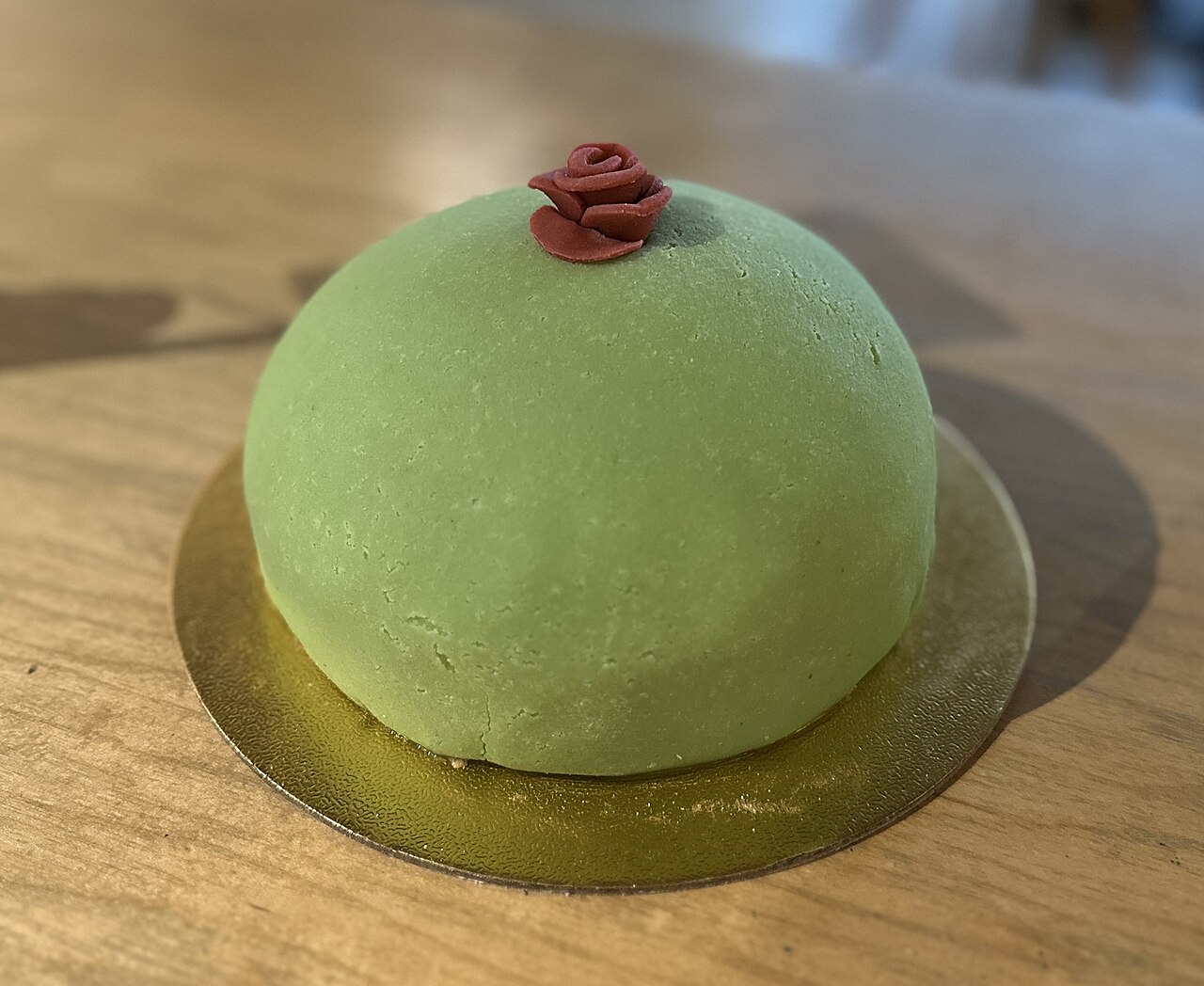
The most iconic characteristic of the Prinsesstårta is undoubtedly its smooth, bright green marzipan blanket. This thin layer of perfectly colored almond paste covers the entire cake, giving it an unmistakable, jewel-like appearance. Often, a dusting of powdered sugar adds a touch of delicate frost, enhancing its regal charm. While green is traditional, variations in pastel shades like yellow or pink exist, especially for specific celebrations like weddings (then often called "Opera Cake" or "Engagement Cake"), but the classic green remains paramount for the quintessential "Prinsesstårta."
The Iconic Dome Shape
Beneath its verdant exterior lies another defining feature: the distinct, rounded dome. This elegant half-sphere shape isn't just for show; it's meticulously crafted by a generous mound of whipped cream piled high over the cake's internal layers. This abundance of cream is crucial not only for the shape but also for the cake's luxurious texture. The dome gives the Prinsesstårta a regal bearing, making it feel substantial yet invitingly soft.
The Delicate Marzipan Rose
Crowning this green marvel is almost always a single, perfectly formed marzipan rose, typically a soft pink. This delicate adornment serves as the final flourish, echoing the cake's royal origins and adding a touch of playful elegance. It's a small detail that completes the cake's identity, symbolizing beauty and tradition.
Beyond the Green: Deconstructing the Iconic Layers
While its exterior is captivating, the true magic of the Prinsesstårta unfolds with the first slice, revealing a finely structured, harmonious interior. The precise arrangement and quality of its components are paramount to understanding
was zeichnet eine schwedische Prinzessin Torte aus beyond its surface. For a deeper dive into these components, you might enjoy
Decoding Prinsesstårta: Creamy Layers and Marzipan Secrets.
The Airy Biskuit (Sponge Cake)
The foundation of the Prinsesstårta is a light, airy sponge cake, known as "biskuit" in Swedish baking. This tender cake provides a delicate base, often sliced into several thin layers. Its neutral flavor and cloud-like texture perfectly complement the richer fillings, preventing the cake from feeling too heavy or dense. The quality of this sponge is critical; it must be moist enough to absorb flavors but robust enough to hold its structure.
Creamy Vanilla Bliss (Vanillecreme)
Nestled between the sponge layers is a luscious vanilla cream, often a traditional "konditorcreme" (pastry cream). This rich, custardy layer brings a smooth, sweet vanilla essence that is central to the cake's flavor profile. Its velvety texture provides a delightful contrast to the sponge and the whipped cream, adding depth and a comforting warmth.
The Cloud of Whipped Cream
Perhaps the most abundant internal component is the generous layer of freshly whipped cream. Piled high, it forms the signature dome shape and contributes immensely to the cake's ethereal lightness and indulgent mouthfeel. The cream is often unsweetened or lightly sweetened, allowing its natural richness to shine through and balance the sweetness of the marzipan and pastry cream. It's this copious amount of whipped cream that makes each bite feel like biting into a cloud.
A Burst of Fruity Tang (Himbeerkonfitüre)
To cut through the richness of the creams and marzipan, a thin layer of raspberry jam (himbeerkonfitüre) is typically spread between the sponge and vanilla cream layers. This tart, fruity element provides a crucial counterpoint, adding a vibrant burst of flavor that awakens the palate. While raspberry is traditional and most common, other red fruit jams like strawberry or lingonberry are sometimes used, offering slight variations on the classic profile. The balance between sweet, creamy, and tart is a key defining feature of the Prinsesstårta.
A Royal Legacy: Why "Prinsesstårta"?
The story behind the name of this celebrated cake is as charming as the cake itself. Originally called "Gröntårta" (Green Cake), its regal transformation occurred in the 1930s. It gained its royal moniker through its immense popularity with the Swedish princesses Margaretha, Märtha, and Astrid, daughters of Prince Carl, Duke of Västergötland.
Their former teacher, Jenny Åkerström, featured the recipe in her 1930s cookbook, "Prinsessornas Kokbok" (The Princesses' Cookbook). The recipe for this specific cake became such a favorite among the young princesses that it eventually adopted their title. This culinary connection to royalty cemented its status, elevating it from a simple "Green Cake" to the elegant "Princess Cake." Today, it remains one of Sweden's most iconic and best-selling cakes, almost a small piece of Swedish identity served on a plate. To learn more about its fascinating past, delve into
The Royal History Behind Sweden's Beloved Princess Cake.
Prinsesstårta in Swedish Culture: More Than Just a Cake
Beyond its delicious taste and appealing presentation, the Prinsesstårta holds a special place in Swedish culture. It's not merely a dessert; it's an institution, a symbol of celebration and tradition.
It is a standard offering in virtually all Swedish bakeries and cafés, readily available year-round. However, it truly shines during special occasions. You'll find Prinsesstårta proudly served at birthdays, graduations, confirmations, and any significant milestone. It's also an indispensable component of "fika," the cherished Swedish tradition of taking a coffee break with a sweet treat. Sharing a slice of Prinsesstårta during fika is an act of warmth and conviviality, embodying Swedish hospitality and the joy of slowing down. Its widespread presence and cultural significance are undoubtedly an answer to
was zeichnet eine schwedische Prinzessin Torte aus – it’s a taste of Sweden itself.
Crafting Your Own Prinsesstårta: Tips for Home Bakers
While the Prinsesstårta looks sophisticated, making it at home is a rewarding endeavor that doesn't require professional pastry chef skills, though it does demand attention to detail.
Mastering the Marzipan
The key to the marzipan layer is rolling it *thinly* and evenly. Use plenty of powdered sugar on your work surface and rolling pin to prevent sticking. A good quality marzipan (with a high almond content) is crucial for both flavor and workability. If your marzipan isn't already green, use gel food coloring sparingly to achieve the characteristic pastel shade. When draping, gently ease the marzipan over the dome, smoothing out any wrinkles with your hands or a fondant smoother.
Building the Perfect Dome
The generous amount of whipped cream is central to the dome shape. Ensure your cream is very cold and whipped to firm peaks. When assembling, pile the cream high in the center of the cake, gradually tapering it down towards the edges. Chilling the cake sufficiently at various stages (after the vanilla cream, after the whipped cream dome) will help it set and maintain its structural integrity before the marzipan is applied.
The Art of Assembly
Layering is crucial. Start with a sponge layer, spread with vanilla cream, then a thin layer of raspberry jam, followed by another sponge layer. Build the whipped cream dome on top of this. Chill thoroughly before applying the marzipan. Precision in cutting the cake layers and spreading the fillings evenly contributes to a beautiful cross-section.
Ingredient Quality Matters
As with any classic recipe, the quality of your ingredients will profoundly impact the final taste. Use fresh, high-quality dairy for your creams, natural vanilla, and a good fruit jam. These elements, combined with a fresh sponge, elevate the homemade Prinsesstårta to a truly exquisite dessert.
The Prinsesstårta is far more than just a cake; it is a culinary icon. Its striking green marzipan, elegant dome, and harmonious layers of sponge, vanilla cream, whipped cream, and tart raspberry jam combine to create an unforgettable dessert. From its humble origins to its embrace by Swedish royalty and its enduring presence in everyday celebrations, the Prinsesstårta stands as a delicious testament to Swedish tradition and a cherished part of the nation's identity. Truly, these distinctive features answer the question,
was zeichnet eine schwedische Prinzessin Torte aus – it's a masterpiece of balance, beauty, and taste that continues to captivate hearts around the world.