Decoding Prinsesstårta: Creamy Layers and Marzipan Secrets
Stepping into a Swedish konditori, one pastry immediately captures the eye: the enchanting Prinsesstårta. With its vibrant green marzipan exterior and elegant dome shape, it's instantly recognizable and has become a cherished symbol of Swedish culinary tradition. But what truly defines this iconic dessert? What are the unique characteristics that make it so beloved and distinctive? Beyond its striking appearance, the Prinsesstårta, or Swedish Princess Cake, is a marvel of delicate textures and balanced flavors, each element meticulously crafted to create a truly royal experience. Let's peel back its verdant layers to discover the secrets that make this cake a masterpiece.
The Signature Look: A Verdant Crown of Marzipan
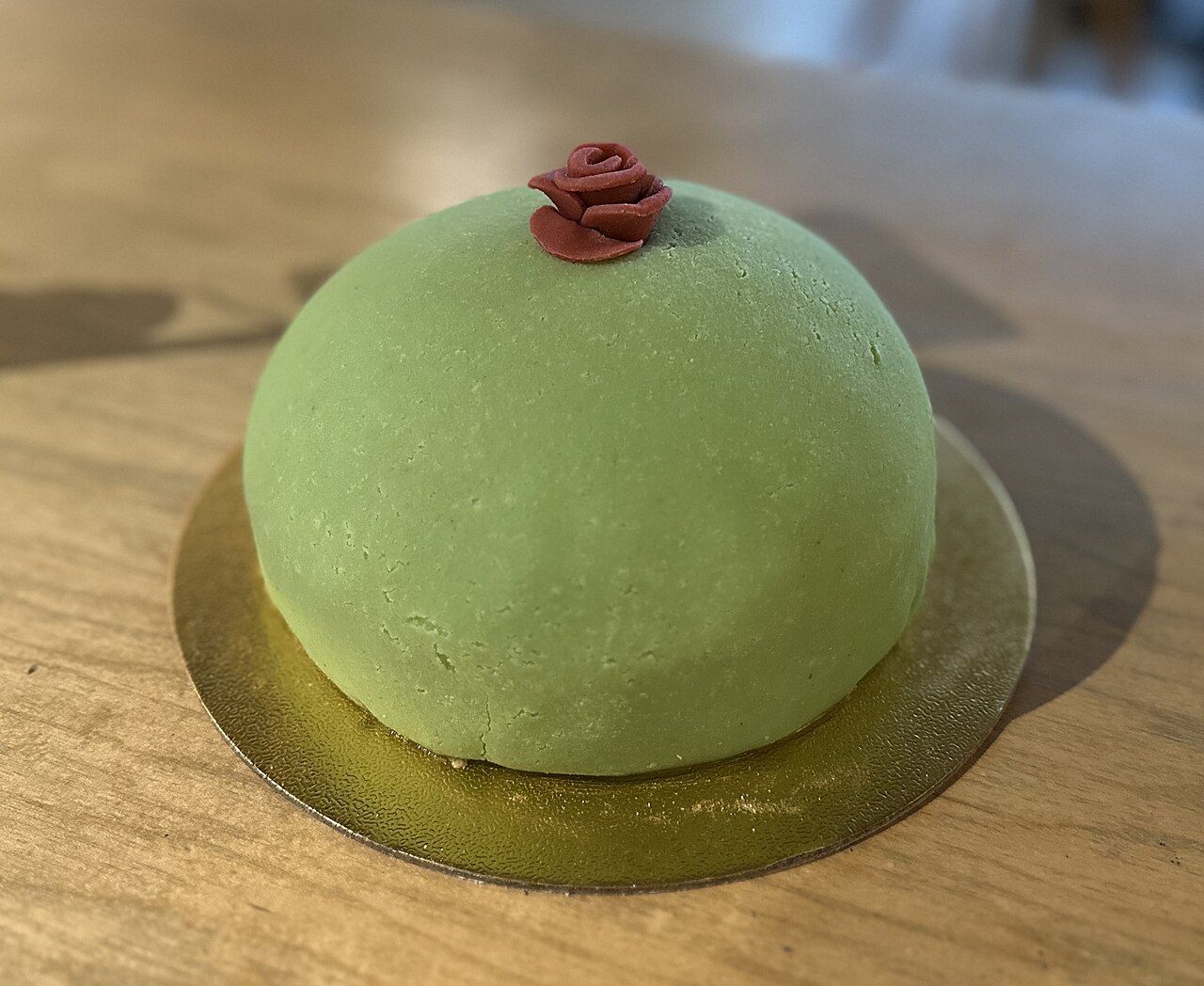
Perhaps the most striking feature that immediately answers the question of was zeichnet eine schwedische prinzessin torte aus is its unmistakable exterior. The Prinsesstårta is almost universally characterized by its smooth, thin layer of light green marzipan, meticulously draped over a generously domed cake. This marzipan isn't merely decorative; it provides a unique, slightly chewy texture and a sweet, almondy counterpoint to the creamy interior. Often, this verdant dome is lightly dusted with powdered sugar, adding a touch of frosty elegance, and crowned with a single, delicate pink marzipan rose – a final flourish that solidifies its "princess" status. This distinct green hue is so intrinsically linked to the cake that it's sometimes affectionately referred to as "Gröntårta," meaning "green cake." The careful application of the marzipan, ensuring a seamless, unblemished surface, is a testament to the skill involved in its creation and is a hallmark of an authentic Prinsesstårta. It’s this visual artistry that first draws you in, promising a treat that is as beautiful as it is delicious.
A Symphony of Layers: What Lies Beneath the Green Veil
While the green marzipan is its crown, the true heart of the Prinsesstårta lies within its meticulously structured layers. Beneath that charming exterior, you'll find a delightful interplay of textures and tastes that contribute significantly to what characterizes a Swedish Princess Cake. The foundation is typically several thin, airy layers of light sponge cake, often referred to as biscuit or génoise. These sponges are incredibly soft, providing a tender base that readily absorbs the moisture from the creams. Layered between these sponges are generous dollops of a rich vanilla cream (or pastry cream/custard) and, crucially, a thick, cloud-like mound of freshly whipped cream. It is this abundance of whipped cream, piled high, that gives the Prinsesstårta its characteristic dome or hemispherical shape, making it visually distinct from flatter layered cakes. To complete this symphony, a layer of fruit jam, most traditionally raspberry, is often spread between the sponge and cream layers. The slight tartness of the raspberry jam cuts through the richness of the creams and the sweetness of the marzipan, creating a perfectly balanced flavor profile that is neither too heavy nor overly sweet. The combination of soft sponge, smooth vanilla cream, airy whipped cream, and tangy jam creates a sensory experience that is truly unforgettable.
More Than Just a Cake: The Story Behind the "Princess" Title
The name "Prinsesstårta" isn't just a whimsical label; it carries a fascinating royal history that adds another layer of charm to this beloved dessert. The origin of this cake, and indeed what makes a Prinsesstårta unique in its cultural context, dates back to the 1930s. It was originally featured in a cookbook published by Jenny Åkerström, a renowned Swedish home economics teacher. Among her students were the three young daughters of Prince Carl, Duke of Västergötland, and Princess Ingeborg of Denmark: Princess Margaretha, Princess Märtha, and Princess Astrid. The recipe for this particular cake, then simply called "grön tårta" (green cake), quickly became their absolute favorite. Such was their fondness for the dessert that it was eventually renamed in their honor, becoming the "Prinsesstårta" – the Princess Cake. This royal endorsement cemented its status and popularity, transforming it from a mere recipe into a national treasure. Today, the Prinsesstårta is more than just a celebratory treat; it's a staple in Swedish bakeries, a popular choice for birthdays, graduations, and a quintessential accompaniment to the traditional Swedish "fika" (coffee break). It embodies a sense of heritage and national pride, making it a true royal culinary legacy.
Crafting the Prinsesstårta: Tips for Aspiring Bakers
While its elegant appearance might suggest a daunting task, making a Prinsesstårta, though requiring precision, is an achievable feat for the home baker. Understanding the nuances of its construction is key to truly appreciating what defines a Swedish Princess Cake. For those inspired to recreate this masterpiece, here are a few practical tips:
- Perfecting the Sponge: The biscuit sponge needs to be light and airy, yet sturdy enough to support the generous fillings. Don't overmix the batter once the flour is added, and ensure your eggs are at room temperature for maximum volume.
- Creamy Consistency: Both the vanilla pastry cream and the whipped cream need to be perfectly smooth and stable. For the dome shape, the whipped cream must be stiff enough to hold its form without deflating. Chilling the bowl and whisk before whipping helps.
- Marzipan Mastery: Rolling out the marzipan thinly and evenly is perhaps the trickiest part. Use plenty of powdered sugar on your work surface and rolling pin to prevent sticking. Aim for a diameter large enough to comfortably cover the dome with some overhang for trimming. Gentle handling is crucial to avoid tears.
- Assembly Art: Build your cake in layers, starting with sponge, then jam (if using), vanilla cream, more sponge, and finally the voluminous whipped cream to create the dome. Chill the assembled cake well before attempting to drape the marzipan.
- Classic Decor: Don't forget the final touches! A light dusting of powdered sugar and the signature marzipan rose are essential for authenticity. While green is traditional, variations in marzipan color for special occasions (like yellow for Easter or red for Christmas) exist, but the classic green always harks back to its origins.
Taking the time to craft each component ensures that the finished cake is not only visually stunning but also offers the authentic taste and texture experience of a true Prinsesstårta: Unveiling Sweden's Iconic Green Marzipan Cake.
Conclusion
The Swedish Prinsesstårta is far more than just a dessert; it's a culinary icon that tells a story of royal patronage, traditional craftsmanship, and national pride. From its distinctive green marzipan crown and delicate marzipan rose to its sumptuous layers of airy sponge, rich vanilla cream, fluffy whipped cream, and tangy raspberry jam, every element contributes to its unique character. It's the harmonious blend of these visual and gustatory traits that truly answers was zeichnet eine schwedische prinzessin torte aus – defining it as a dessert that is as elegant to behold as it is delightful to savor. Whether enjoyed during a festive Fika or at a grand celebration, the Prinsesstårta remains a testament to the enduring appeal of Swedish baking, offering a little slice of royal sweetness with every bite.